Celestial Forces · Monitor 09
Time Remaining Until PeakSolar Cycle 25 and the human mass-excitability index.
The solar cycle happens every 11 years. When the cycle is near peak, dark spots on the sun increase. The peak of the next cycle was predicted around 2024–2025 — ending the 11-year cycle around 2030.
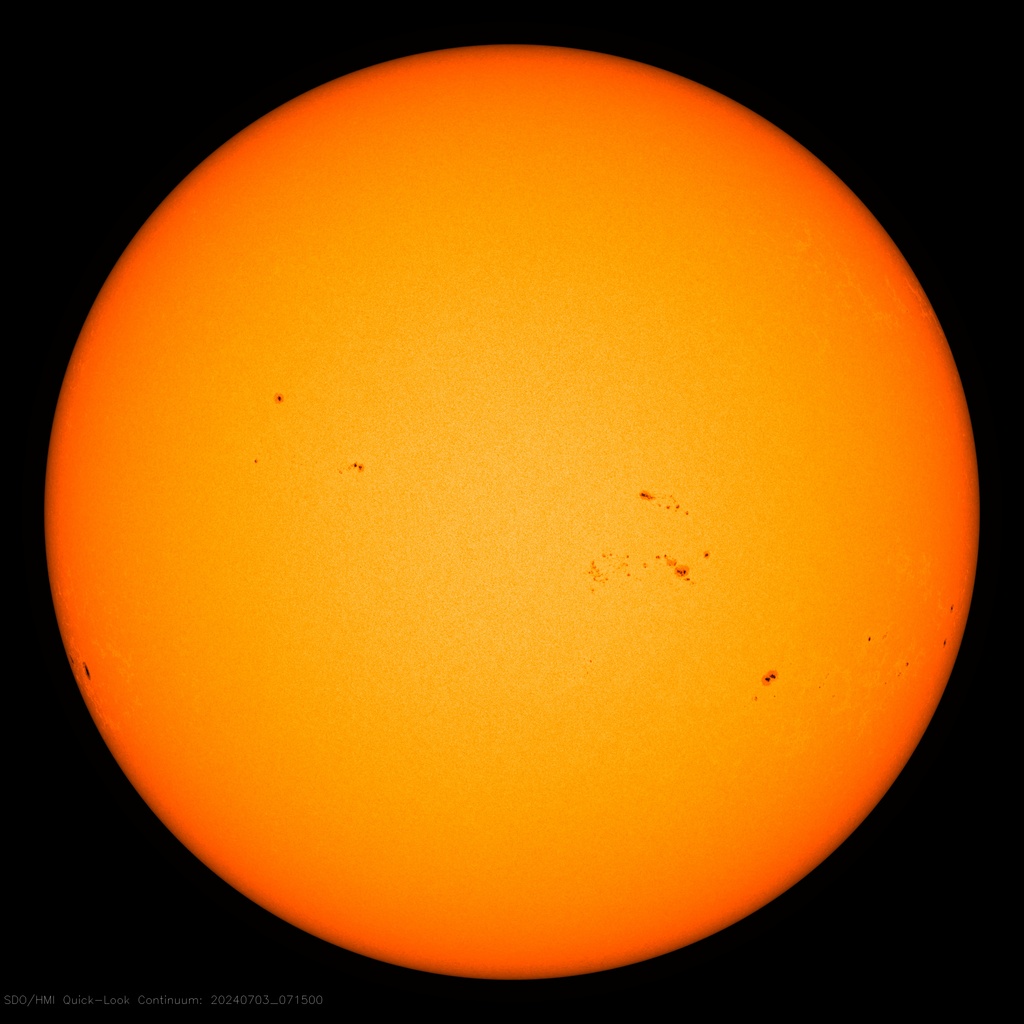
What's a solar cycle
The sun's magnetic activity rises and falls on an 11-year cycle. At peak, sunspots multiply and our nervous systems behave more erratically — historically correlated with revolutions, wars, inventions, market tops, and mass movements.
We're up to the comparing years to peak around 2024. Solar cycles affect our moods, pineal glands, biological systems, and even our mass society in indicators such as the stock market, conflicts, and inventions.
Index of human mass excitability
In 1920, A.L. Tchijevsky founded "heliobiology" — the study of the sun's electromagnetic activity on biology — and constructed an Index of Mass Human Excitability covering each year from 500 BC to 1922 AD. He investigated the histories of 72 countries in that period, noting signs of human unrest such as wars, revolutions, riots, expeditions, and migrations — plus the number of humans involved.
Tchijevsky found that fully 80% of the most significant human events occurred during the years of maximum sunspot activity. He maintained that the "exciting" period may be explained by an abrupt change in the nervous and psychic character of humanity, which takes place at sunspot maxima.
Tchijevsky's four periods
Solar activity has two very high negative effects on society but has also been associated with collective growth and development such as architectural, artistic, and scientific breakthroughs, as well as positive social change.
Stock market correlations
Curves related 30 years of sunspot data to the trends of US stocks over the same span and concurred that important stock market peaks consistently precede sunspot cycle maxima.
Electromagnetism in the body
The electromagnetic field of the earth affects our blood pressure, pineal gland, heart rate, nervous system, mood and circadian rhythms. When the cycles are low, we are more agitated; when high, we are prone to wars, riots, extreme creativity, revolutions and inventions.
Research studies have examined relationships between solar and magnetic factors and the subsequent molecular system (RNA), increase in solar activity correlates with increases in heart rate and parasympathetic activity, which we interpret as a biological stress response.
What's a sunspot
A sunspot is a darker, cooler spot on the sun. Sunspots can be very large, up to 30,000 miles in diameter. They are caused by the sun's magnetic field and when the pressure builds up they explode, releasing solar flares and big storms. Sunspots have massively impacted "space weather" through history. The auroras borealis flare up and bring flares can knock out satellites, disrupt GPS systems, and fry electrical grids on earth.
Repeating pattern
The current solar cycle progression (Solar Cycle 25, from 1986 to present) is similar to that of the Dalton Minimum (Solar Cycle 5, from 1790 to 1830). The similarities are striking.